
Business fuel card or NS-Business Card: what fits your organization?
Mobility is an important topic for organizations. You want your employees to travel flexibly without unnecessary costs. There are many mobility solutions, including lease cars with a business fuel card and the NS-Business Card. We help you choose and also explain the mobility budget as a flexible alternative to the lease car.

Types of business mobility
Business travel can be done in different ways. Employees might travel by public transport, shared transport, lease car, or bike. Depending on what suits your organization, you choose a smart mix. With the NS-Business Card, employees travel easily by train, bus, tram, metro, and shared transport. All on one invoice. With a lease car, fuel is paid using a business fuel card, keeping all costs clear and on one invoice.
The choice depends on three things: what your employees want, your organization’s goals, and the applicable laws and regulations. Together, these help decide which mobility solution fits best.
Employee preferences
Start by listening to your employees. How do they want to travel? For example, easy and flexible to and from work, with freedom to choose how. Do they want to work more from home and travel outside rush hours? And how important is sustainability to them? Research from the European Investment Bank shows more employees find sustainability important. Over two-thirds of people under 29 look at this when choosing a job. Read the
Your organization’s goals
Think about what your organization wants to achieve. Do you want to lower mobility costs, reduce administration, attract new colleagues, or downsize the fleet? Sustainability often plays a role too, because it matters to your organization or is required by law.
Laws and regulations
It’s important to know which laws and agreements your organization must follow. Organizations with 250 or more employees must meet CO2 reporting requirements. This means commuting and business travel are registered and reported. Large organizations report on sustainability under the European CSRD directive. There are also sector agreements, like the 'Green Deal Duurzame Zorg' for healthcare institutions. Sometimes collective labor agreements include rules about travel costs and travel time.
Choosing between business fuel card and NS-Business Card
Once you have all the information, choosing is easier. Is sustainability important? Then the NS-Business Card suits your organization well. Does your organization want to keep all lease cars? Then a business fuel card is the logical choice. Each mobility solution offers benefits that match your employees’ wishes, your goals, and the rules. We explain these below, so you find the right fit for your organization.


What is an NS-Business Card?
The NS-Business Card is a mobility card that lets your employees travel from door to door. They can use public transport and shared transport. The card is free; you only pay for the trips made. You receive one monthly VAT invoice, so there are no separate expense claims. That’s convenient and sustainable. NS trains run on 100 percent green electricity.
How does the NS-Business Card work?
With the NS-Business Card, employees check in and out by holding the card near the reader. This works at NS train gates and poles, and also on buses, trams, and metro with their own readers. No need to load a balance.
Benefits of the NS-Business Card:
Free NS-Business Card, pay only for trips made
One monthly VAT invoice
Option to add a business NS subscription that fits travel habits. Check
our subscriptions Travel by public transport and shared transport. Also park your bike and own car
No loading balance, travel immediately
Travel time counts as work time, so employees are more productive and get home earlier
Insight into travel, costs, and CO2 emissions through reports

What is a business fuel card?
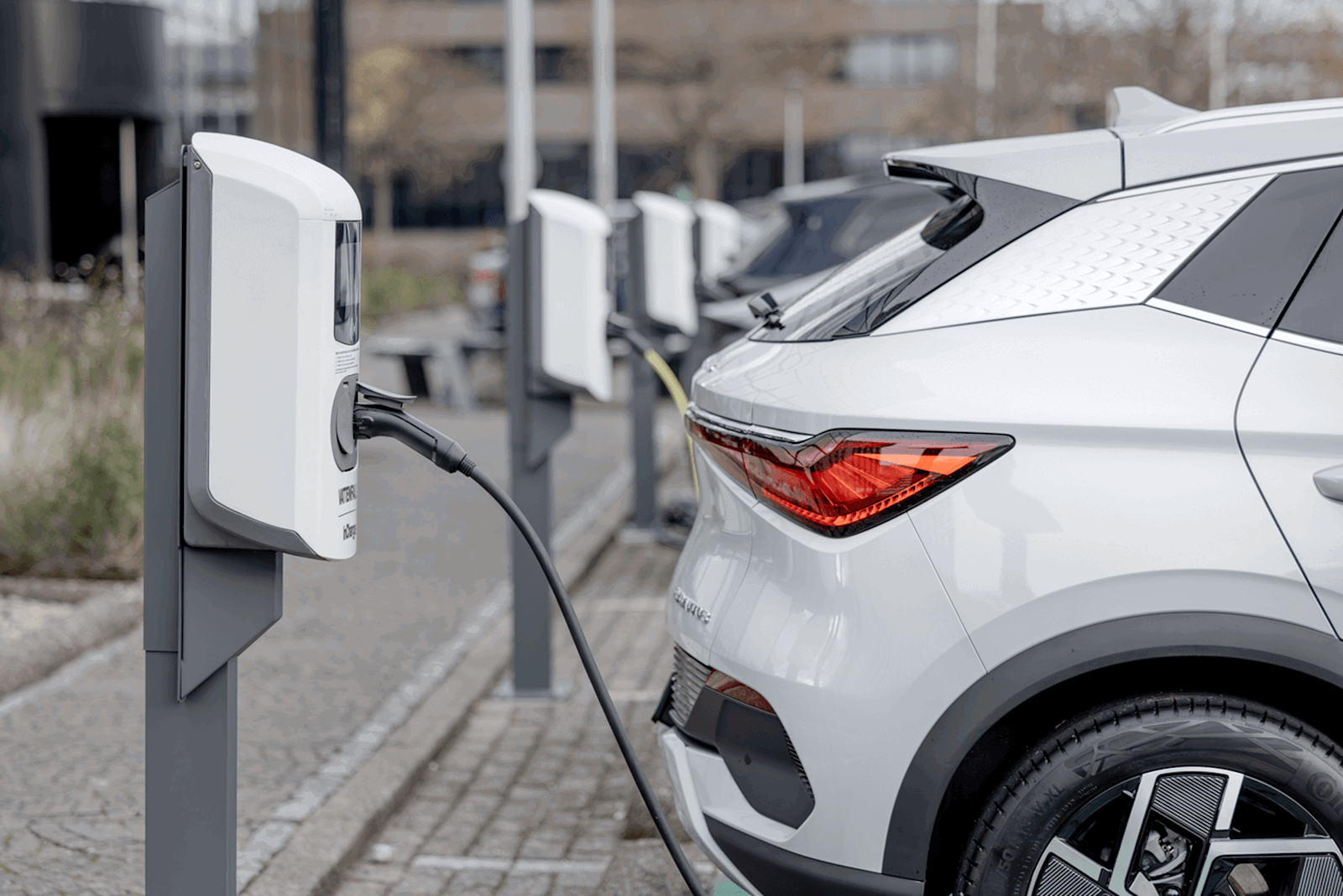
A business fuel card is a card employees use to pay for fuel for a lease car. This can be petrol, diesel, or electricity. The card usually comes with the lease car provided by the employer. For employees traveling to places without fast public transport or little shared transport, this is a handy solution.
How does a fuel card work?
After refueling, you pay by swiping or inserting the fuel card at the payment terminal. You indicate if you are driving a replacement car. If you choose ‘No’, you can enter your mileage for administration, but it’s not required. If you drive a hybrid or electric car, hold the card near the charging pole reader to start and stop charging.
Benefits of a business fuel card
Full control over fuel costs
All costs on one monthly VAT invoice
Refuel and charge at every station in the Netherlands and many locations in Europe
Also use for parking, car wash, and extra services at fuel stations
Business fuel card versus NS-Business Card: the costs
What costs do you face when you choose a lease car with a business fuel card? And what costs come with an NS-Business Card?
Lease car with business fuel card | NS-Business Card |
|---|---|
Fixed lease costs* | Free card |
Fuel costs | Travel costs or possible subscription fees |
Maintenance costs | |
Depreciation costs | |
Possible subscription fees and deposits from fuel card providers |
*If your employee drives the lease car less often, for example because they work from home, the fixed lease costs can still be high. That is something to keep in mind.


A modern employee benefit is the mobility budget. Your organization gives employees a fixed amount per year to cover commuting. They decide how and when to travel. Any leftover budget goes to their salary. The mobility budget offers a flexible alternative to the lease car, which is often unused due to more homeworking. Read more about the
Do you want to use fewer lease cars? For employees used to driving, it is not easy. You can encourage them to choose other transport, but that only works if they want to. Want to know more? Read the article on behavioral change by change expert Annemarie Mars.


The choice between the NS-Business Card or a business fuel card depends on what your organization and employees need.
The NS-Business Card is ideal if you want smarter and more sustainable mobility. Employees travel flexibly by public and shared transport, door to door. Travel time counts as work time, and you pay only for trips made. With a business NS subscription, you keep control over costs.
A business fuel card suits organizations that want to keep lease cars. Or employees who often travel by lease car to places without fast public or shared transport. This fuel card keeps fuel costs clear and gives employees comfort and freedom.
With these insights, you choose a mobility solution that fits your organization.