
Increase in taxable addition for electric cars: encourage travel by public transport
From January 1, 2026, the tax addition for electric cars will change. You will then pay 18% over the first €30,000, instead of 17%. For fuel cars, the addition stays 22% over the full catalogue price.
In this article, you will read what this change means and how you can respond by encouraging sustainable travel with public transport. We also give a clear overview of costs: how much money can you save with a train subscription compared to a lease car? And what other opportunities are there, for example to increase employee satisfaction?


Rick Homan, Product Owner Strategisch Accountmanagement
NS Zakelijk
What exactly is changing?
On January 1, 2026, there was a change for employees who drive an electric lease car: you now pay 18% tax addition on the first €30,000, instead of 17%. For fuel cars, the tax addition remains 22% over the full catalogue price. This means the tax advantage that electric lease cars had over fuel cars in recent years has become smaller.
For employees who prioritize sustainability, this change opens the door once again to public transport.

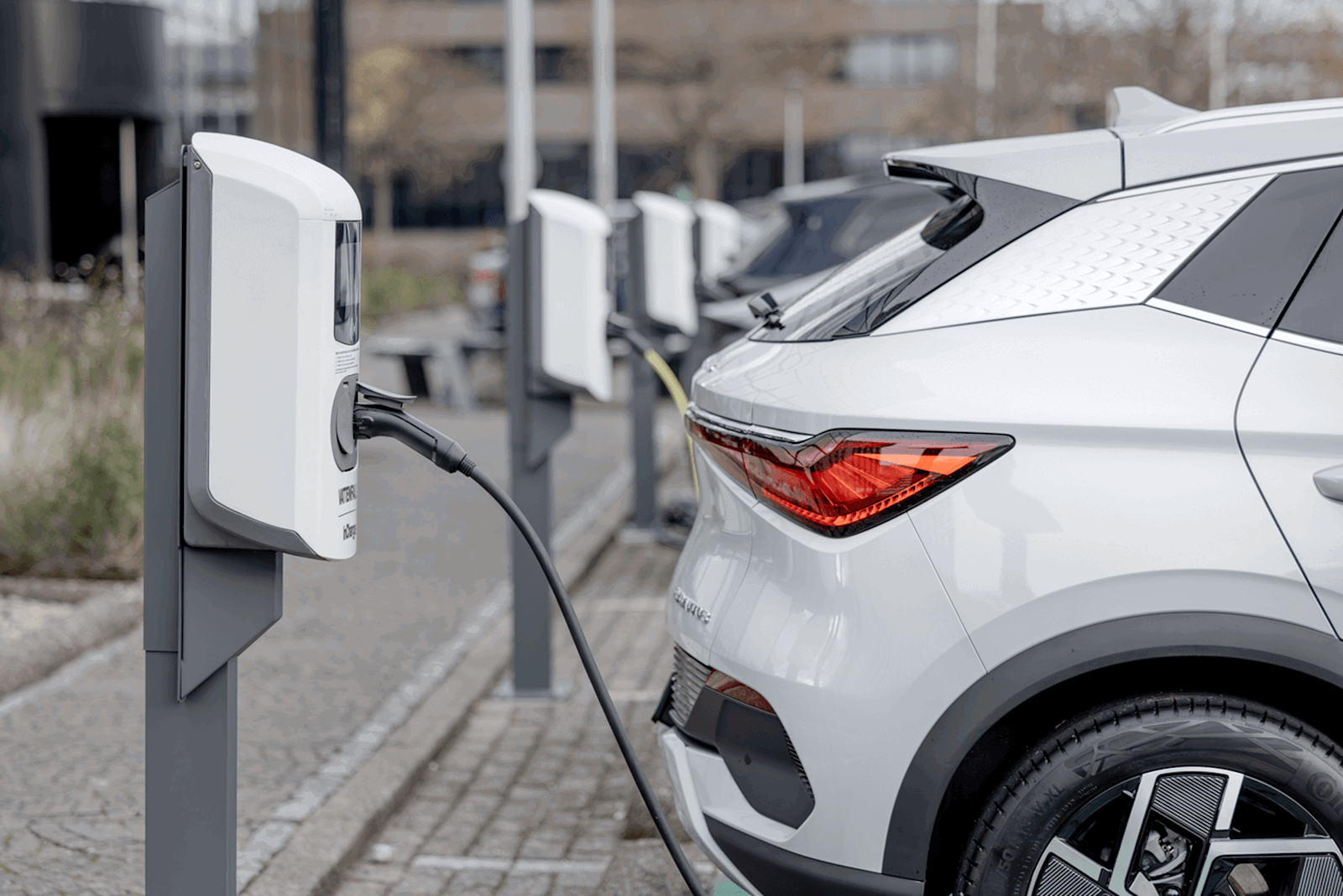
Since 2010, employees have benefited from an attractive tax advantage for electric lease cars. This ranged from 0% over the entire catalog value in 2010 to 17% over the first €30,000 in 2025. This was a strong incentive to drive electric, with benefits for both the environment and your wallet. This year, however, the advantage has decreased somewhat. As a result, costs for employees may rise and interest in electric lease cars might decline.


Is sustainability an important pillar for your organization and do you want to become greener? Then you can use this change as an opportunity to encourage travel by public transport as a full-fledged, sustainable alternative. But how do you get employees who have been used to the convenience of a lease car for years onto public transport? Our experience shows that a combination of steering measures and encouraging different behavior works best. Don’t forget to clearly explain every change or measure from your sustainable vision and goals. This creates more understanding and less resistance.
Turn the right knobs
To change behavior, you can use different 'knobs' with a mix of steering and enticing. Steering means, for example, reducing allowances so that travelling by car becomes less attractive, or encouraging a minimum number of days working from home per week. You can also limit the number of lease cars within your organization and offer public transport subscriptions as an attractive alternative.
You entice by making travel with public transport as easy and attractive as possible, so people really feel they benefit from it. Think of reimbursing private travel via the NS-Business Card and offering shared transport for the last mile to or from the station. And by giving them the opportunity to work on the train, people also get home earlier.
It can also be interesting to offer employees a mobility budget, a fixed amount per year that employees may use to pay for their commuting. This can be cheaper than the lease car.
It is also attractive for employees because they no longer have to pay taxable addition, which means they keep more of their salary. And the most important advantage: employees decide for themselves how to use their mobility budget. For example, if someone receives an €800 mobility budget and travels for €250 by public transport, the employee receives the remainder, after income tax, as extra salary.
Read more about the


A clear cost overview helps in making decisions. The costs of a lease car vary greatly but average between €400 and €900 per month, depending on the model and lease conditions. Fuel costs are additional. Compare that with a Trein Vrij subscription, which allows an employee to travel unlimited by train throughout the Netherlands for €344.68 per month. That saves a lot of money.
Besides this financial benefit, a train subscription can also help increase employee satisfaction. More and more organizations choose to reimburse private travel by train for their employees, especially now that this reimbursement is tax-free. This is an attractive employment benefit that can help you attract and retain talent.
Read more about
Our solutions
We offer products that fully support you in encouraging and facilitating sustainable travel.
Would you like advice or have a question? Our mobility advisors are happy to help you find the best mobility mix that fits your organization and goals. Let us know, and we will get in touch with you quickly.
With this mobility card, your employees can travel using public transport and shared transport such as the OV-fiets and Greenwheels cars. You can add a suitable subscription to this card. Private travel is also possible without administrative hassle. Billing is clear and handled through a single monthly invoice.
This mobility platform helps you immediately comply with the CO2 reporting obligation. All trips made with the NS-Business Card are automatically recorded, and employees can add kilometers traveled with their own transport. This makes administration and reporting much simpler.
Would you like advice on which solution works best to encourage your employees to travel sustainably? Or do you have a question? We are here to help you.
Click the button, enter your details, and we will call you back shortly.