
Main navigation

Autumn on the railway

In autumn, the railway changes. Fallen leaves, moisture and oil can combine to make the rails slippery. Strong winds can bring branches or trees onto the tracks. This sometimes affects train services. During this period, NS and ProRail work closely together to keep the railway safe and reliable, aiming to minimise delays as much as possible. On this page, you can read about what autumn weather means for the timetable and the measures we take to reduce inconvenience.
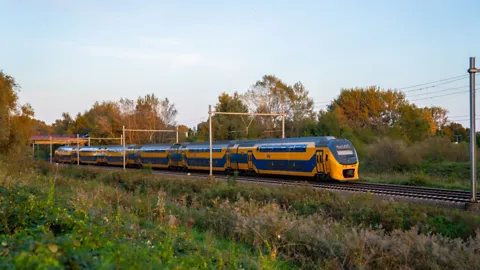
Impact of autumn weather

Autumn conditions affect both infrastructure and rolling stock. The main impacts are:

Slippery rails

When leaves fall onto the tracks and are crushed, they create a slippery layer. Combined with moisture and rust, this reduces the grip between the wheel and rail. As a result, train drivers need to accelerate and brake more cautiously, which can lead to slightly longer travel times.

Wheel wear

Slippery conditions can cause train wheels to lock up, leading to uneven wear known as ‘flat spots’. This creates extra noise and can damage the tracks and rolling stock. Flat spots are repaired in the workshop.

Storm damage

Strong winds can cause trees or branches to fall onto the tracks or overhead lines. This can bring trains to a halt and requires repairs before services can resume. To reduce this risk, ProRail carries out extra tree pruning along the railway ahead of autumn.

Measures during autumn

Delays in one area can affect multiple routes. That is why NS and ProRail take various measures during autumn to keep services safe and reliable.

Adjusted train timetables

From mid-October to mid-December, we adjust the timetable on some routes. Journey times on these routes are extended by one minute. This gives train drivers more time to brake and accelerate gently, helping to prevent disruptions.

Anti-slip gel

At locations where the rails often become slippery in autumn, a special gel containing fine sand particles is applied to the tracks. This improves grip and reduces the risk of slipping.

Additional disruption teams

Extra disruption teams, contractors and diesel locomotives are on standby nationwide to respond quickly to damage or blockages. This helps restore train services as soon as possible after a disruption.

Level crossings close slightly earlier

Because trains take longer to brake on slippery tracks, settings are adjusted at five level crossings during autumn. These crossings close slightly earlier when a train is approaching. This may mean a slightly longer wait for road users, but it enhances safety.

Adjusted timetable for extreme weather

In cases of very severe autumn weather, an adjusted timetable may be implemented. This ensures there is enough time in the schedule to operate safely and keep disruptions to a minimum. For more information, please visit the ‘Adjusting the Timetable’ page.

Travel tip

Always check the NS Journey Planner before you travel. There you will find up-to-date departure times and any possible changes to journey times during autumn.